At Sir Alexander Fleming Primary School, we believe that some of the most memorable learning happens beyond the classroom walls. Our outdoor learning provision gives children regular opportunities to explore, investigate, create and collaborate in natural environments. Using our dedicated outdoor area, The Hazels, alongside our greenhouse and composting facilities, children develop curiosity, resilience, independence and a deeper understanding of the world around them. Through hands-on experiences, we inspire a love of learning while promoting wellbeing, environmental responsibility and a connection with nature.
“The best classroom and the richest cupboard is roofed only by the sky.” – Margaret McMillan.
Outdoor Learning Long-Term Overview
Outdoor Learning Policy
Our Learning Environment
RHS Primary School Gardeners of the Year 2023
Business and Community Links
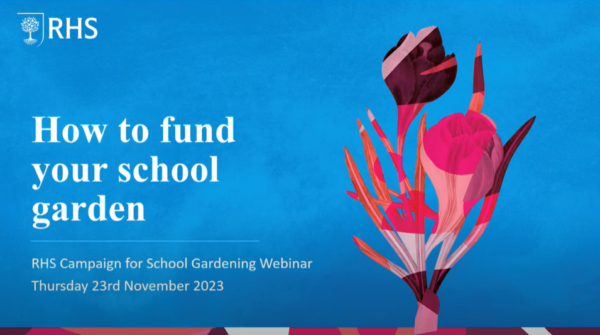
Have a look at this webinar, featuring Mr Ratcliffe talking about our school, hosted by the RHS (our bit starts at 40 mins. 45 sec.)
We draw on a range of methodologies and influences in designing our outdoor learning offer, all coming under the holistic umbrella of Outdoor Learning. These include:
Forest School
“Forest School is an innovative educational approach to outdoor play and learning.”
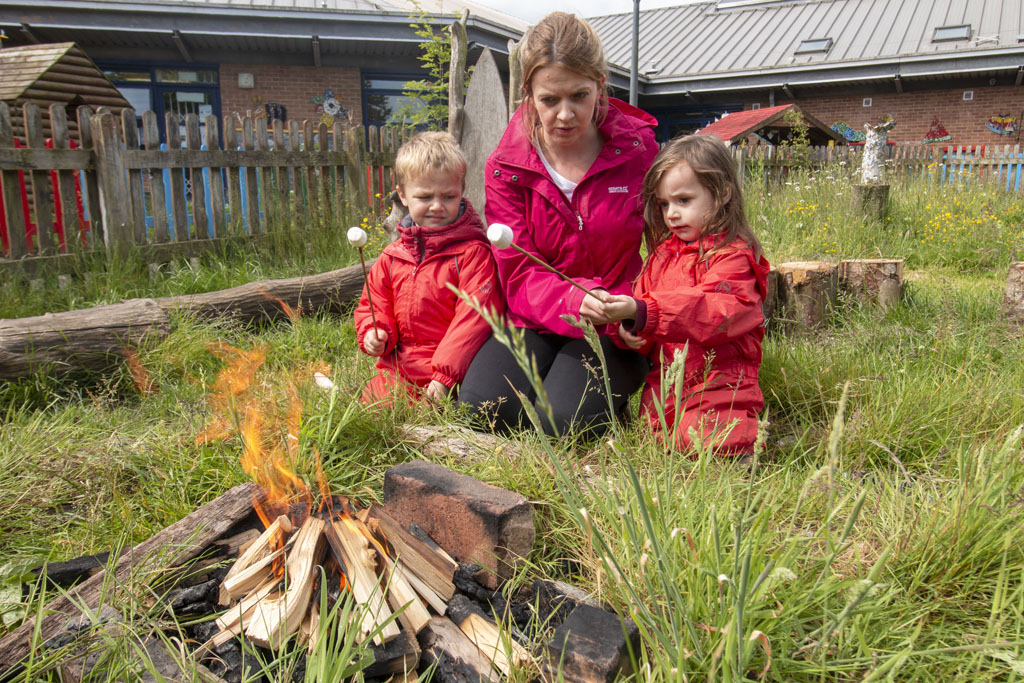 The philosophy of Forest Schools is to encourage and inspire our children through positive outdoor experiences. By participating in engaging, motivating and achievable tasks and activities in an outdoor woodland environment, each of our children has an opportunity to develop motivation, sound emotional and social skills. These, through self-awareness can be developed to reach personal potential.
We can only deliver this in an inspiring, safe environment – through the development of our provision within our grounds.
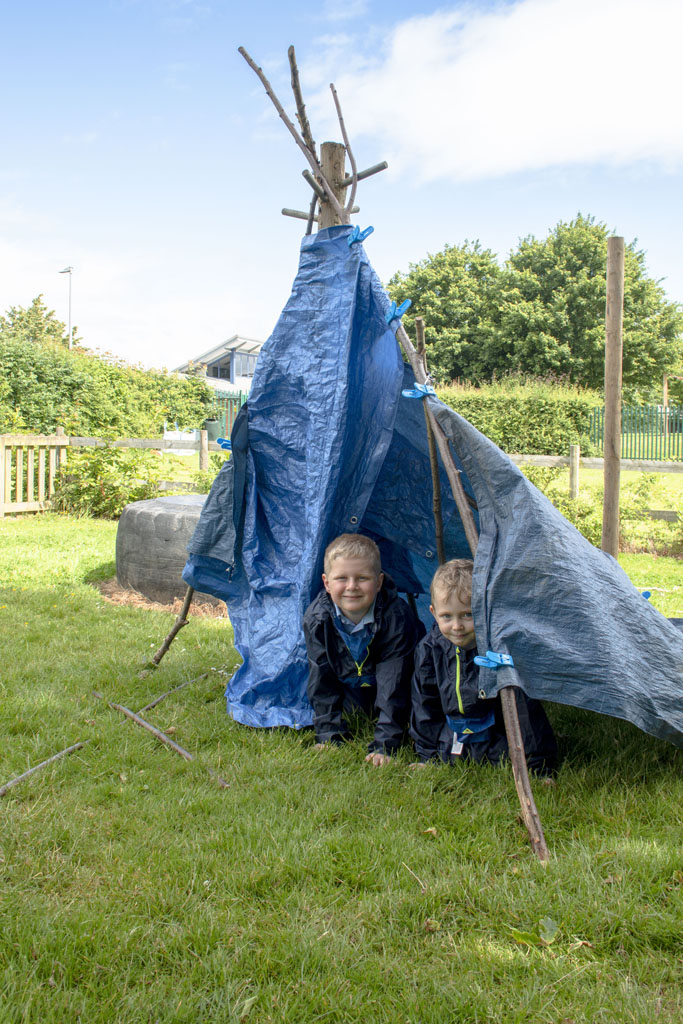
At Forest Schools we will aim to develop:
• Self-Awareness
• Self-Regulation
• Intrinsic motivation
• Empathy
• Good social communication skills
• Independence
• A positive mental attitude, self-esteem and confidence
Wild Passport
This is a skill, knowledge and competency based outdoor learning curriculum. The Wild Passport is split over five separate competencies- Nature, Woodcraft, Fire, Rope, Shelter.
Royal Horticultural Society (RHS) School Gardening
The Campaign for School Gardening brings the stimulation and fun of gardening directly to children in their own schools. Gardening in schools improves physical and mental well-being, enhances children’s literacy, numeracy and science learning, and helps teachers to bring innovation and creativity into their lessons. Pupils learn to work towards common goals and to anticipate, take and manage risk outdoors.
The Five Steps to Wellbeing
We work on promoting physical, emotional and mental wellbeing through regular access to nature. This has an incredibly positive effect on staff and students, and gives a boost to functioning well. We use the Five Steps to Wellbeing, as being promoted by the NHS and programmes such as the RHS’s Roots to Wellbeing. The Steps are:
- Connect with other people: Good relationships are important for your mental wellbeing. They can help you to build a sense of belonging and self-worth, give you an opportunity to share positive experiences, provide emotional support, and allow you to support others.
- Be physically active: Being active is not only great for your physical health and fitness but also improves your mental wellbeing by raising your self-esteem, helping you to set goals or challenges and achieve them, and causing chemical changes in your brain which can help to positively change your mood.
- Learn new skills: Learning new skills can also improve your mental wellbeing by boosting self-confidence and raising self-esteem, helping you to build a sense of purpose, and helping you to connect with others.
- Take notice: Reminding yourself to take notice of the present moment (mindfulness) can improve your mental wellbeing by helping you to enjoy the world around you more and understand yourself better.
- Give: Acts of kindness can help improve your mental wellbeing by creating positive feelings and a sense of reward, giving you a feeling of purpose and self-worth, and helping you connect with other people.
Through these diverse approaches, we are able to offer an engaging, and progressive range of activities to support each child’s development in school.